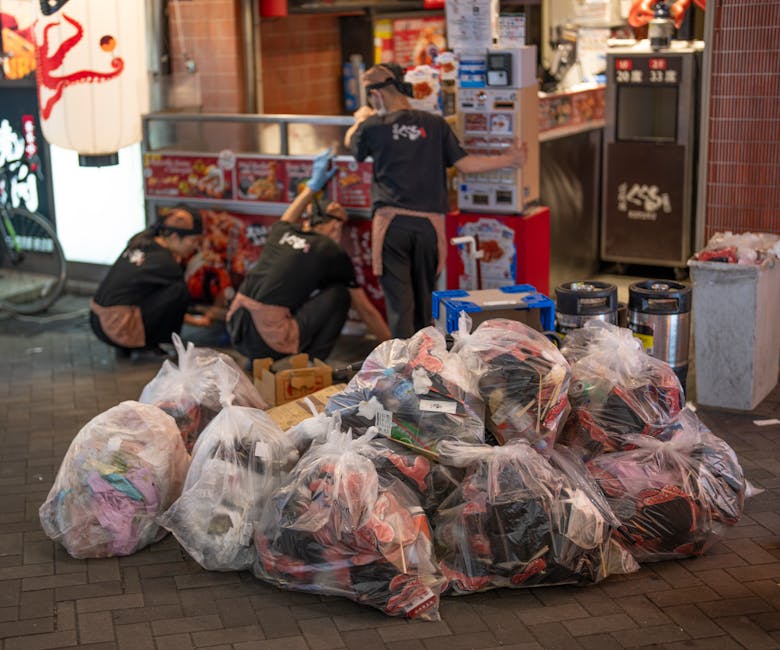
Seven Kings Road bulky rubbish pickup for local shops

If you run a shop on or near Seven Kings Road, bulky waste has a habit of appearing at the worst possible time. A new display unit arrives, the old one has to go. Stockroom shelving gets replaced. Packaging piles up. A fridge stops working. Before you know it, the back room feels tighter, the pavement starts looking cluttered, and staff are trying to work around a growing stack of awkward items. That is exactly where Seven Kings Road bulky rubbish pickup for local shops becomes more than a convenience. It becomes part of keeping the business moving.
This guide explains how bulky waste pickup works for local retailers, what to expect from the process, and how to choose the right disposal method for your space, your schedule, and your budget. You will also find practical tips for avoiding common mistakes, plus a simple checklist you can actually use. Let's keep it straightforward.
Why Seven Kings Road bulky rubbish pickup for local shops Matters
For a local shop, bulky waste is rarely just "rubbish". It can block a stockroom door, get in the way of deliveries, or make a customer-facing area look untidy. And to be fair, most shop owners do not have the luxury of storing an old freezer, broken shelving, or packaging waste for days on end. Space is money, and on a busy stretch like Seven Kings Road, space disappears quickly.
Bulky rubbish pickup matters because it helps shops stay organised, safe, and presentable. That includes convenience stores, off-licences, florists, phone repair shops, small grocers, salons with retail displays, and any business that handles frequent deliveries or refurbishments. If the waste is awkward, heavy, or too much for a normal bin collection, you need a proper removal plan.
There is also the customer side of it. People notice the front of a shop. They notice a damaged display unit sat near the entrance, or boxes half-blocking the path. In retail, first impressions are not abstract. They are immediate. Sometimes that's the difference between a tidy, well-run shop and one that looks like it is having a rough week.
If the issue is mixed with broader commercial clearance needs, it can help to look at commercial skip hire as part of the wider picture, especially when waste builds up regularly rather than as a one-off.
Practical takeaway: bulky rubbish pickup is not just about getting rid of waste. It is about keeping the shop usable, safe, and ready for the next delivery, the next customer, and the next normal day.
How Seven Kings Road bulky rubbish pickup for local shops Works
The process is usually simpler than people expect. You identify what needs to go, decide how quickly it needs removing, and choose the collection method that fits the items and access conditions. For a local shop, the tricky part is often access rather than volume. A single bulky item can be harder to move than five smaller bags if the doorway is narrow or the shop is in a tight parade with limited stopping time.
In many cases, a pickup can be arranged as a one-off collection. That suits shops clearing out damaged stock, broken fixtures, old signage, or redundant display units. If the waste is heavier, more frequent, or mixed with refurbishment debris, a larger solution may be better. That might mean a skip, a wait-and-load arrangement, or a grab-style service depending on the site layout and the time available.
If your team needs flexibility because the shop is busy all day, a wait and load skip hire approach can be useful. It keeps the waste removal efficient without leaving a container sitting outside for longer than necessary.
For delicate or higher-value stock room clearances, an enclosed and lockable skip hire option may be worth considering. It is not about overthinking it; it is about avoiding unwanted access and keeping materials protected until collection.
Typical stages look like this:
- Review the bulky items and separate anything that should not be mixed in.
- Check access, parking, and loading space.
- Choose the most suitable collection method.
- Schedule the pickup at a time that causes minimal disruption.
- Make sure staff know what stays, what goes, and who is responsible for sign-off.
- Keep paperwork or notes for internal records, especially for commercial disposal.
Some businesses prefer a broader clearance service when the waste is not limited to a few items. In those cases, it can be worth looking at rubbish removal or even site clearance if the space has become genuinely cluttered after a refit or stock reset.
Key Benefits and Practical Advantages
The main benefit is obvious: you get the waste out of the way. But the real value goes further than that. Shop owners usually care about three things above all else - time, access, and trust. A decent pickup service protects all three.
- Better use of space: Clearing a stockroom or back area can free up room for inventory, staff movement, or packing.
- Cleaner customer impression: A tidy frontage and orderly waste handling make the business feel more professional.
- Less staff disruption: Your team can keep serving customers instead of trying to drag an awkward item through the day. Not glamorous, but very real.
- Safer working conditions: Bulky rubbish can create trip hazards, block exits, or make fire routes harder to manage.
- More flexible disposal planning: Different pickup methods suit different shop layouts, opening hours, and waste types.
- Improved recycling potential: Sorting waste correctly can support better reuse and recycling outcomes.
One often overlooked advantage is reputation. Local shops trade on trust and routine. People notice whether a business seems in control. If the back lane is always packed with broken fixtures and flattened packaging, that tells a story you probably do not want. On the other hand, a shop that deals with waste promptly looks sharper, calmer, and more reliable.
If sustainability matters to your brand or your landlords, it can also help to review recycling and sustainability as part of your regular waste planning. It keeps the conversation focused on more than just disposal.
Who This Is For and When It Makes Sense
This kind of pickup is useful for any local shop that generates bulky items the normal bins cannot handle. That sounds broad because it is broad. In real life, shop waste is rarely neat. One week it is broken display units; the next it is storage boxes, old signage, and a dead appliance that has finally given up at 8 a.m. on a Monday. Of course it has.
It makes sense for:
- Convenience shops and small grocers
- Clothing boutiques with changing fixtures
- Salons and barbers with furniture or appliance changes
- Mobile phone or electronics shops replacing counters and shelving
- Takeaways and cafes clearing old kitchen equipment
- Charity shops and independent retailers with donated bulky items to remove
- Storage-heavy businesses with stockroom clutter
It is also relevant during:
- Refits and refurbishments
- End-of-lease clear-outs
- Seasonal stock changes
- Equipment replacement
- Post-delivery damage or returns pile-ups
- Emergency clearances after water damage or accidents
For heavier retail equipment or awkward loads, a more specialised removal route may be better. If you are moving fridges, freezers, or chillers, look at fridge and appliance removal. If you need to clear secure paperwork or customer records, confidential shredding is the safer route than simply mixing paper waste in with general rubbish.
Step-by-Step Guidance
Here is a practical way to handle a bulky waste pickup without turning it into a chaotic half-day project.
- Identify every item that needs removal. Be specific. "Old stockroom stuff" is not enough. Write down shelving, appliances, packaging, broken furniture, and any scrap materials separately.
- Sort the waste type. Bulky commercial waste is often mixed. Keep recyclable materials apart where possible, and flag anything hazardous or restricted.
- Check access carefully. Measure doorways, hall width, and loading space. If a large item has to be carried through a narrow shop floor, that changes the plan.
- Decide on timing. Early morning, late evening, or quieter trading windows are usually easiest. If deliveries are constant, timing matters more than people expect.
- Choose the right collection method. A one-off pickup, a skip, a grab-style collection, or man-and-van support all suit different jobs.
- Confirm what cannot go. Do not assume every item is accepted. Batteries, chemicals, paints, gas cylinders, and some electrical items need separate handling.
- Prepare the waste area. Put items together in one place if it is safe to do so. The less time spent hunting around a back room, the better.
- Document the handover. For business records, note the date, type of waste, and who authorised the disposal.
If the issue is mainly speed and access, the man and van approach can be practical for lighter mixed loads. If you need something quicker and more straightforward than a stationary container, a grab hire service may fit the bill, especially where access is awkward or the waste is piled up in a tight service area.
Expert Tips for Better Results
In our experience, the smoothest shop clearances are the ones that are planned in small, boring steps. Not thrilling, I know. But that is usually what saves time.
First tip: label items before collection day. A simple note on a shelf or piece of packaging can stop staff from accidentally moving the wrong thing. That sounds minor until someone nearly throws away the one item you meant to keep.
Second tip: use off-peak windows. Even an extra 20 minutes when the shop is quiet can make a big difference. Customers do not enjoy stepping around a trolley-load of broken counter panels, and neither do staff.
Third tip: separate resale, reuse, and waste. A damaged display unit may be waste, but stock cages, trays, and fittings are sometimes reusable elsewhere in the business.
Fourth tip: be realistic about weight. Bulky does not always mean heavy, but some items absolutely are. A broken fridge or metal shelving unit can surprise people. One person thinks "fine", two people think "why is this so awkward?", and by the third lift everyone is negotiating with the laws of physics.
Fifth tip: if the shop is security-sensitive, choose a method that reduces exposure time. Leaving waste visible overnight is not ideal in a busy retail parade. A quick turnaround is often the calmer option.
For businesses that need very controlled disposal, skip hire can support larger clear-outs, while same day skip hire may help when the shop needs the mess gone fast. And if you are comparing sizes or trying to avoid over-ordering, the page on skip sizes and prices is a sensible starting point.
Common Mistakes to Avoid
Bulky waste removal is simple in theory and oddly messy in practice. The following mistakes cause most of the headaches.
- Leaving it too late: Once bulky items start blocking storage or exits, the job becomes harder and more disruptive.
- Guessing the waste type: Mixed commercial waste is not always accepted as a single load. Check before the collection day.
- Ignoring access restrictions: A van may not be able to stop where you expected, especially on a busy road or tight parade.
- Mixing restricted items with general waste: This can create delays or extra charges, depending on what is found.
- Forgetting about staff safety: Lifting awkward items without a plan is how minor injuries happen. No drama, just slow and careful.
- Not planning around opening hours: A pickup that clashes with peak trading can create more hassle than the waste itself.
Another common issue is underestimating how much waste accumulates during a refit. A small shelving change often creates more debris than the shop team expects. Packaging, offcuts, old fittings, damaged boxes, and the odd forgotten item in the back room all add up. It always does, somehow.
Tools, Resources and Recommendations
You do not need a complicated system. A few practical tools make the process much smoother.
- A waste inventory: A simple list of items, grouped by type.
- Measuring tape: Essential for checking whether items will fit through access points.
- Labels or tape: Useful for marking keep, remove, recycle, and unsure items.
- Basic PPE: Gloves and suitable footwear are sensible when moving bulky items.
- Phone photos: Handy for showing the items to the collection team before the visit.
- Staff briefing notes: Keeps everyone aligned, especially in shops with shift changes.
For businesses wanting a wider view of disposal routes, what can go in a skip is useful when you are deciding whether your load is suitable for a container-based solution. If the waste is mostly general commercial rubbish, builders waste removal may be relevant where shop fit-out debris overlaps with refurbishment waste.
And if you are comparing the business side of the service, a look at pricing and quotes can help you plan around budgets without guessing. No one enjoys doing waste maths at 6 p.m. in a back room with the lights buzzing overhead.
Law, Compliance, Standards and Best Practice
For local shops, waste handling is not just a practical issue; it is a business responsibility. The exact legal duties depend on the waste type, the site, and how the material is handled, so it is sensible to be cautious rather than casual.
As a rule of thumb, shops should keep clear records of commercial waste removal, avoid leaving waste on pavements or access routes, and make sure restricted items are separated properly. If hazardous or specialist items are involved, they should be handled through the correct disposal route rather than bundled into a general pickup. That is especially important for anything like chemicals, oils, or certain electrical items.
Best practice usually includes:
- Keeping waste separate where practical
- Using a disposal method suitable for the material
- Preventing obstruction of customer access, fire routes, and neighbouring businesses
- Using a reputable collection process with clear terms
- Retaining internal records for business accountability
If you are dealing with potentially sensitive material, use an appropriate service rather than assuming "waste is waste". For example, documents should not sit in mixed rubbish, and appliances should not be disposed of casually if they require specialist handling. Likewise, if you need to remove items like mattresses or sofas from shop storage after a refurbishment, it is worth using the relevant disposal route rather than forcing everything into one generic pile. The website's health and safety policy and insurance and safety pages are also useful for understanding the kind of standards a professional operator should take seriously.
One important point: if you are unsure whether something qualifies as hazardous or needs special handling, pause and check. That small delay is better than creating a compliance headache later. No prizes for speed if the job has to be re-done.
Options, Methods, or Comparison Table
Different shops need different disposal methods. There is no perfect single answer, which is irritating, but also realistic. The best choice usually depends on access, volume, frequency, and how much time you can spare.
| Method | Best for | Strengths | Possible limits |
|---|---|---|---|
| Bulky rubbish pickup | One-off shop items, mixed small loads | Fast, flexible, low disruption | May not suit large or repeated volumes |
| Wait and load | Busy roads, short access windows | Quick turnaround, no long-term street obstruction | Requires everything to be ready on time |
| Skip hire | Refits, larger shop clear-outs | Good for ongoing loading over several hours or days | May need planning and, in some cases, permits |
| Grab hire | Bulkier waste piles, awkward access | Efficient for larger mixed loads | Needs enough space for vehicle access |
| Man and van | Lighter, mixed, or urgent loads | Simple, adaptable, useful for smaller jobs | Not ideal for very heavy or very large waste volumes |
If you are unsure which route fits your shop, start with the access question. That usually clears up half the decision. Tight frontage? Limited parking? Busy pedestrian flow? Then a flexible option may be better. Plenty of room and a longer refurbishment? A skip-based solution may be more efficient.
For businesses that are still comparing approaches, grab lorry hire can be a good fit when bulky items are piled up and access is not ideal. If a container is the better route, builders skip hire may suit shop-fit waste and light refurbishment debris.
Case Study or Real-World Example
Imagine a small retailer on Seven Kings Road replacing old shelving, a broken counter, and several damaged storage units after a stockroom tidy-up. Nothing dramatic. Just the sort of job that quietly gets bigger as the morning goes on. By lunchtime, the back room is half full, staff are stepping around flat-pack cardboard, and one old cabinet is wedged at an awkward angle near the door.
In that kind of scenario, the owner has three realistic choices. They can keep shifting items around and hope it sorts itself out, book a one-off bulky waste pickup, or go for a larger collection method if the refit has spilled into the stockroom too. If the load is small and access is tight, a quick pickup or man-and-van-style solution makes sense. If the waste will keep arriving all week, then a skip or wait-and-load arrangement may be calmer and cheaper in the long run.
What tends to work best is not the "largest" option. It is the most practical one. The shop stays open, the team keeps working, and the waste disappears without becoming the main event of the day. That is the aim, really.
Practical Checklist
Use this before arranging your pickup:
- List every bulky item that needs removing
- Separate restricted or hazardous items
- Check doorway, pavement, and loading access
- Decide whether the waste is one-off or ongoing
- Choose the most suitable collection method
- Pick a time that avoids your busiest trading period
- Make sure staff know what stays and what goes
- Keep a record of the disposal for business purposes
- Confirm whether any item needs special handling
- Review whether recycling or reuse is possible before pickup
If you are planning a larger commercial tidy-up, it can also help to compare the broader options on skip permits and skip hire so you do not get caught out by access or placement issues.
Conclusion
Seven Kings Road bulky rubbish pickup for local shops is really about keeping business practical. The waste goes, the space comes back, and your team can get on with trading instead of dodging broken fittings and boxed-up clutter. That may sound simple, but simple is often what works best.
The key is choosing the right method for your shop's access, waste type, and timetable. Some businesses need a fast one-off pickup. Others need a more structured solution for a refit or stockroom reset. Either way, planning a little ahead makes the whole thing less stressful, less messy, and far more efficient.
Get a free quote today and see how much you can save.
And if you want to understand the company behind the service a little better, you can also read more about us. Sometimes the simplest next step is just getting the facts in front of you and taking it from there.
Frequently Asked Questions
What counts as bulky rubbish for a local shop?
Bulky rubbish usually means items that are too large, awkward, or heavy for normal commercial bins. That often includes shelving, counters, broken furniture, packaging pallets, display units, fridges, and large storage items.
Can a shop book a one-off bulky rubbish pickup?
Yes, and that is often the most practical option for a small retail space. One-off pickups suit end-of-lease clear-outs, minor refurbishments, damaged fixtures, or occasional build-ups in the stockroom.
Is bulky rubbish pickup better than skip hire for shops?
It depends on the job. Pickup is often better for smaller or faster clearances, while skip hire can suit larger refurbishments or ongoing waste during a fit-out. Access and timing usually decide it.
Do local shops need to sort recyclable waste before collection?
Where practical, yes. Separating recyclable materials can support better disposal outcomes and may make the process easier. It also helps avoid mixing in items that need specialist handling.
What should shops do with old fridges or freezers?
They should use a proper appliance removal route rather than treating them as ordinary rubbish. Refrigeration units can need careful handling, so it is best to arrange a suitable disposal service.
Can waste be collected outside trading hours?
Often, yes. Many shop owners prefer early morning, late evening, or quieter periods to avoid disruption. That is usually the calmest option, especially on a busy parade.
What if the shop has very limited access?
If access is tight, a flexible method such as wait and load, man and van, or grab hire may be more suitable. The best option depends on how close the vehicle can get to the load.
Are there items that cannot go in a general bulky pickup?
Yes. Hazardous materials, certain chemicals, batteries, and some electrical items may need separate handling. If you are unsure, it is always safer to check before the collection.
How can a shop keep the process safe for staff?
Clear walkways, avoid manual lifting where possible, brief the team properly, and keep heavy items grouped together. Small precautions help a lot, especially in narrow back-of-house spaces.
Do I need to keep records of commercial waste removal?
It is sensible to keep internal records for business accountability. Note what was removed, when, and by whom. That kind of basic paper trail is useful for compliance and operations.
What is the best option for a shop refit?
For a refit, skip hire, grab hire, or wait and load can all be suitable depending on the volume and access. If the job is compact and time-sensitive, a quick pickup may be the easiest route.
How do I choose the right provider for Seven Kings Road bulky rubbish pickup for local shops?
Look for a provider that understands commercial access, can explain what happens to the waste, and offers a method that suits your premises. Clear terms, practical advice, and reliable timing matter more than flashy promises.